Lifestyle
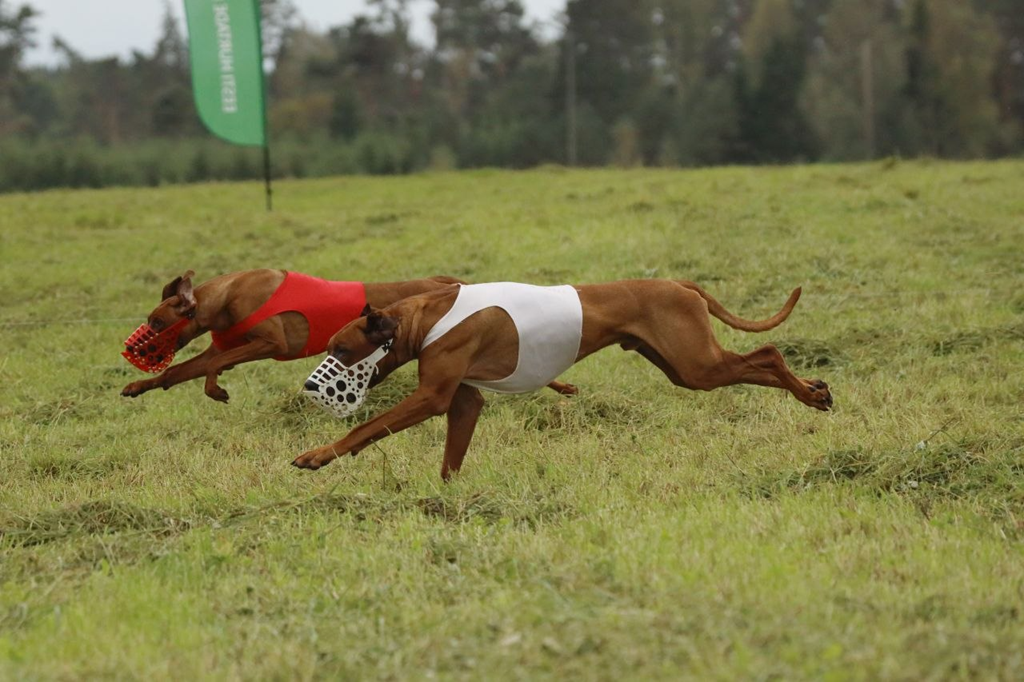
Lure Coursing
✕
Lure coursing is a fast-paced canine sport that simulates the chase of live prey using a mechanically operated lure. Dogs run across an open field, following a series of pulleys that guide a white plastic lure designed to mimic the unpredictable movement of animals like rabbits. The sport taps into a dog’s natural hunting instincts, especially for breeds with strong sight-based tracking abilities such as sighthounds. Originally developed as a safe and humane alternative to traditional hunting, lure coursing provides both physical exercise and mental stimulation. Dogs are judged on their speed, agility, enthusiasm, and ability to follow the lure, making it both competitive and entertaining for participants and spectators alike.
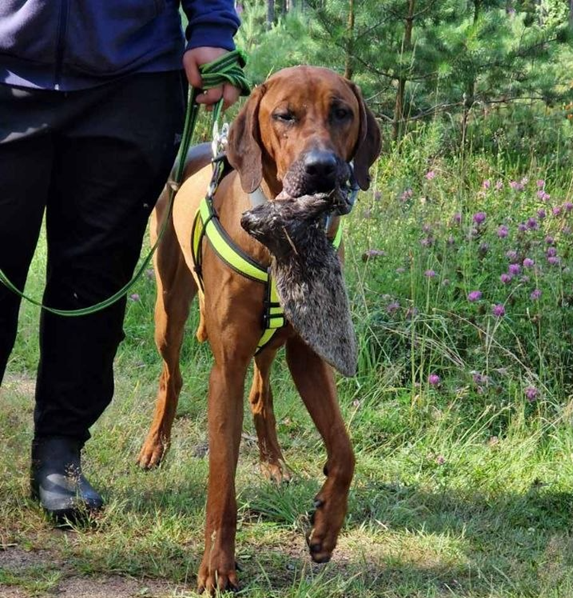
Blood tracking
✕
Blood tracking is a working dog activity where trained dogs follow the scent trail of wounded animal by detecting tiny traces of blood and ground disturbance. It is commonly used in hunting to locate game that has fled after being shot, ensuring it can be found quickly and ethically. Dogs trained in blood tracking rely on their powerful sense of smell, concentration, and persistence to follow trails that may be several hours old and extend over long distances. This work highlights the dog’s natural tracking ability while also promoting responsible hunting practices and respect for wildlife.
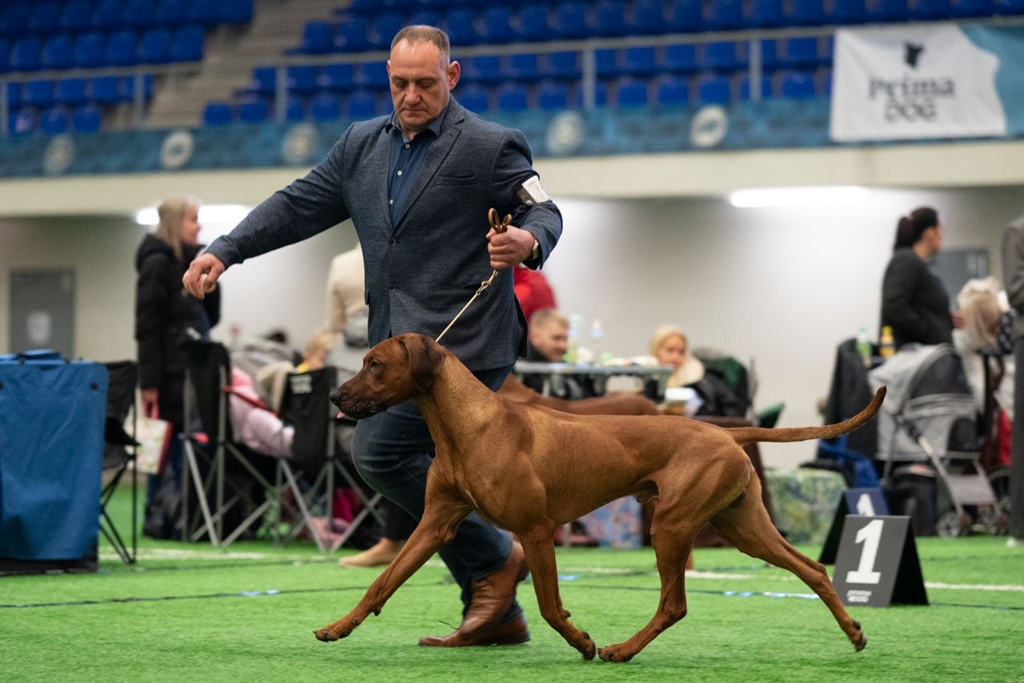
Dog shows
✕
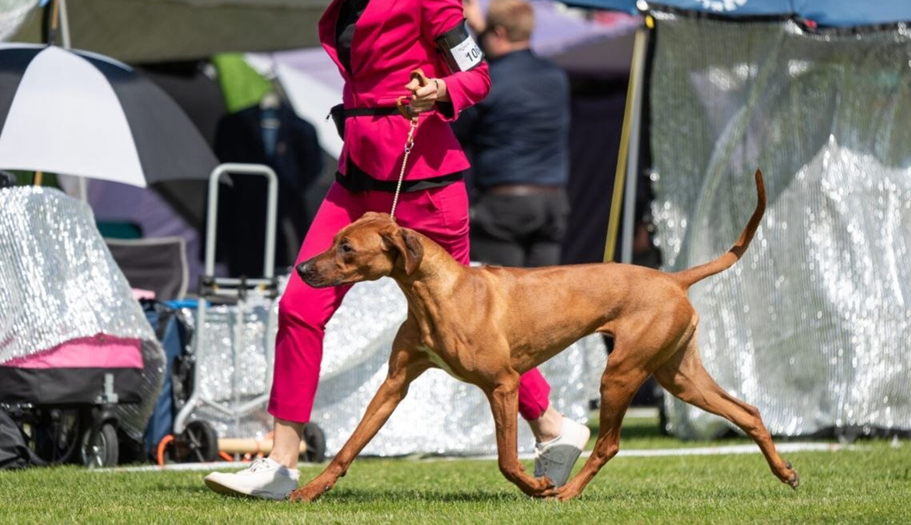
Dog shows are organized events where dogs are evaluated based on how well they conform to the official standards of their breed. These standards, set by kennel clubs, describe the ideal appearance, structure, movement, and temperament for each breed.
Rally obedience
✕
Rally obedience (often called “Rally-O”) is a dog sport that combines elements of traditional obedience with a more relaxed, interactive style. In a rally course, handlers guide their dogs through a sequence of stations, each marked with a sign that gives instructions such as turns, sits, downs, or changes in pace.
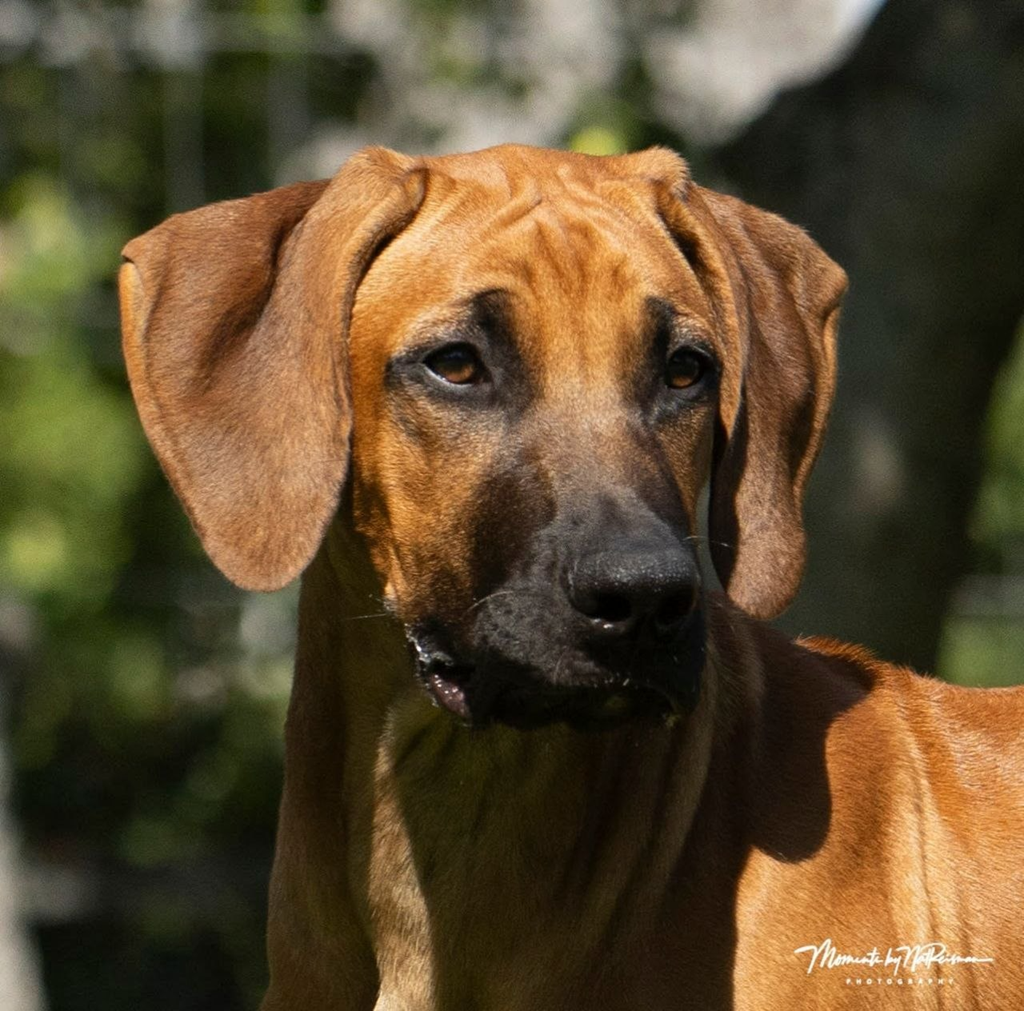
Epilepsy support
✕
An epilepsy support dog is specially trained to assist a person living with seizures, most often associated with Epilepsy. These dogs can provide both practical help during a seizure and emotional reassurance in everyday life. Some epilepsy dogs are trained as seizure response dogs, meaning they react once a seizure begins. They may stay close to prevent injury, alert others, activate an alarm system, or even bring medication. Others are known as seizure alert dogs, believed to sense subtle changes before a seizure occurs—though this ability is not fully understood and varies between individual dogs. Beyond direct seizure assistance, these dogs offer companionship, reduce anxiety, and help their handlers feel more confident and independent. Training an epilepsy support dog requires time, consistency, and professional guidance, as the dog must remain calm, attentive, and responsive in a wide range of situations.
Obedience
✕
Obedience is a dog sport and training discipline that focuses on teaching dogs to reliably respond to commands given by their handler. It emphasizes precision, control, and teamwork, with dogs performing exercises such as heeling, sitting, staying, coming when called, and retrieving objects. In obedience competitions, dogs are judged on accuracy, responsiveness, and overall attitude while completing a set routine. Compared to more relaxed sports like rally obedience, traditional obedience requires stricter execution and minimal extra cues from the handler. Beyond competition, obedience training is an essential foundation for good behavior, helping dogs become well-mannered, confident, and easier to manage in everyday life.